
Prescription Required
Written and fact-checked by MedVipp Rx Editorial Team from FDA labeling and clinical references. Last updated: . About our editorial process
Prednisolone
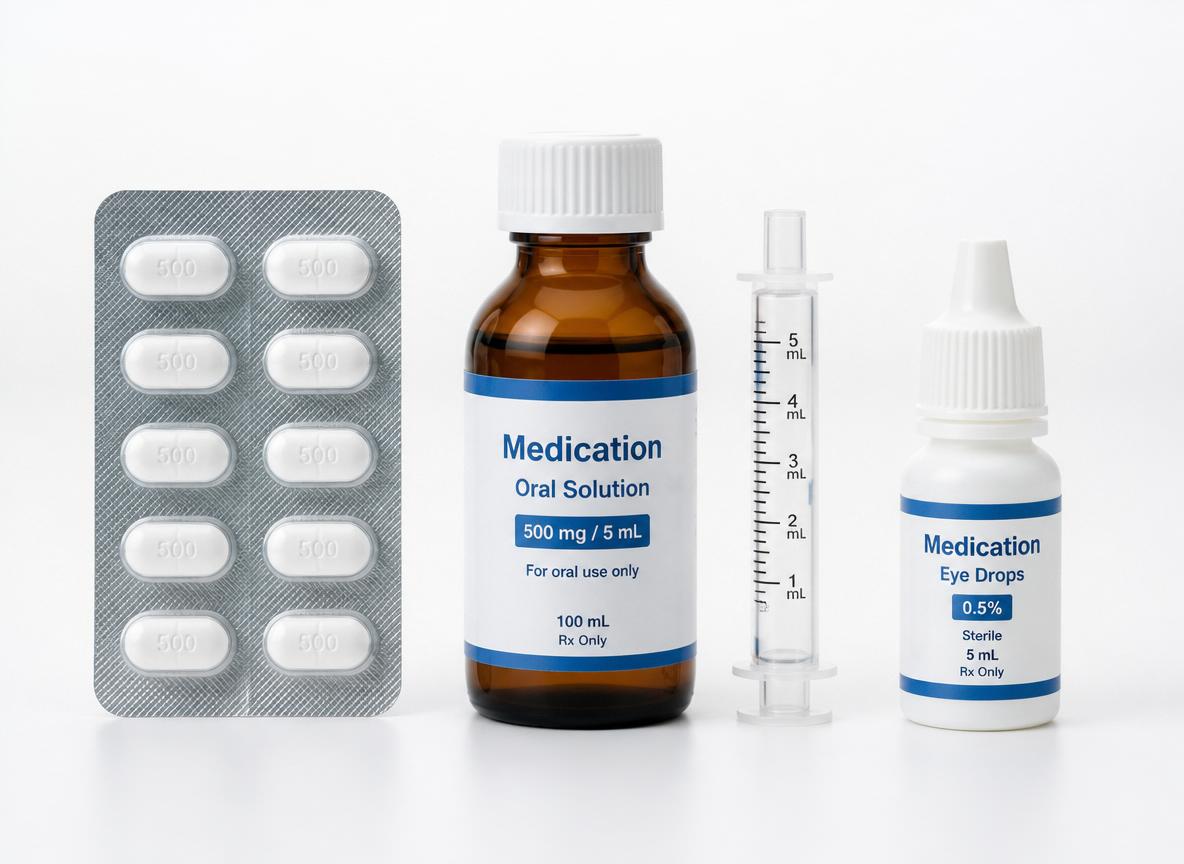
Prednisolone is a synthetic corticosteroid FDA-approved for systemic inflammation, autoimmune conditions and ophthalmic inflammation. It is the active metabolite of prednisone and does not require hepatic conversion.
- Dose: 5mg to 60mg daily depending on condition; taper required after 3 weeks
- Status: Prescription required, systemic and ophthalmic corticosteroid
- Primary use: Asthma flares, rheumatoid arthritis, IBD, nephrotic syndrome, eye inflammation
- Half-life: 2 to 4 hours; biological effect persists 18 to 36 hours
What Is Prednisolone
Prednisolone is a synthetic glucocorticoid derived from hydrocortisone. The FDA approved it for oral and ophthalmic use. Oral forms include 5mg tablets and an oral solution of 5mg per 5mL. Ophthalmic forms include 0.12% and 1% suspensions for eye inflammation. Prednisolone is already biologically active. It does not require liver conversion like Prednisone.
Oral bioavailability is approximately 70 percent. Peak plasma concentration occurs within 1 to 2 hours. Protein binding ranges from 65 to 91 percent. The elimination half-life is 2 to 4 hours. Biological effects persist 18 to 36 hours due to genomic mechanisms. Prednisolone crosses the placenta and blood-brain barrier.
How Prednisolone Works
Prednisolone diffuses across cell membranes and binds cytoplasmic glucocorticoid receptors. The receptor-drug complex translocates to the nucleus. It binds glucocorticoid response elements on DNA. This upregulates anti-inflammatory proteins and suppresses pro-inflammatory cytokines including interleukin-1, interleukin-6 and tumor necrosis factor-alpha.
Key mechanisms:
- Genomic anti-inflammatory action: Alters gene transcription to reduce cytokine production.
- Immunosuppression: Reduces T-cell proliferation and antibody production.
- Vascular stabilization: Decreases capillary permeability and edema formation.
- Immediate activity: No hepatic conversion required, unlike prednisone.
Prednisolone vs Prednisone
Prednisone is a prodrug. The liver converts it to prednisolone via 11-beta-hydroxysteroid dehydrogenase. Prednisolone is the active form. This distinction matters for two groups. Patients with severe liver disease or hepatic impairment may not convert prednisone efficiently. In these patients, prednisolone produces more predictable therapeutic effects.
For patients with normal liver function, prednisone and prednisolone are clinically equivalent at matched doses. Both require the same tapering protocols after prolonged use. Both carry identical risks of adrenal suppression, osteoporosis and hyperglycemia.
Conditions Treated by Prednisolone
The FDA approved prednisolone for multiple systemic and ophthalmic indications. Dosing and duration vary significantly by condition.
- Systemic inflammatory conditions: Asthma exacerbations, allergic reactions, rheumatoid arthritis, systemic lupus erythematosus, inflammatory bowel disease, polymyalgia rheumatica and temporal arteritis.
- Hematologic and oncologic: Autoimmune hemolytic anemia, idiopathic thrombocytopenic purpura, leukemia and lymphoma adjunct therapy.
- Endocrine: Adrenal insufficiency, congenital adrenal hyperplasia.
- Pediatric: Nephrotic syndrome, croup, asthma flares. Liquid formulation allows weight-based dosing.
- Ophthalmic: Uveitis, iritis, keratitis, inflammation following ocular surgery. Local administration minimizes systemic exposure.
Prednisolone Dosage and Strengths
Dosing is highly individualized. Short courses treat acute flares. Chronic conditions require the lowest effective maintenance dose with gradual tapering. Abrupt cessation after prolonged use causes adrenal insufficiency.
Available Forms
- 5mg tablets: Round, scored. Used for systemic inflammatory and autoimmune conditions.
- Oral solution 5mg/5mL: Raspberry-flavored liquid. Preferred for pediatric patients and those unable to swallow tablets.
- Ophthalmic suspension 0.12%: Pred Mild. Milder steroid for surface eye inflammation.
- Ophthalmic suspension 1%: Pred Forte, Omnipred. Higher potency for uveitis and post-surgical inflammation.
Standard Adult Oral Dosing
The initial dose ranges from 5mg to 60mg per day depending on disease severity. Rheumatoid arthritis typically uses 5 to 10mg daily. Severe asthma exacerbations may require 40 to 60mg daily for 3 to 10 days. Giant cell arteritis starts at 40 to 60mg daily.
Courses longer than 3 weeks require a taper. Standard tapering reduces the dose by 5 to 10mg every 3 to 7 days. Slower tapers of 1 to 2.5mg per week are necessary for patients on therapy longer than 3 months. Never stop prednisolone abruptly after prolonged use.
Pediatric Oral Dosing
Pediatric dosing is weight-based. The typical range is 0.14 to 2mg per kilogram per day in divided doses. Nephrotic syndrome protocol: 2mg per kilogram per day (maximum 60mg) for 6 weeks, followed by 1.5mg per kilogram every other day for 6 weeks. Taper under pediatric supervision only.
Ophthalmic Dosing
Instill 1 to 2 drops into the affected eye 2 to 4 times daily for mild inflammation. Severe inflammation may require hourly dosing initially, tapering as symptoms improve. Shake suspension bottles well before each use. Do not touch the dropper tip to the eye or any surface.
Missed Dose Instructions
Take oral prednisolone as soon as you remember unless the next dose is within 2 hours. Do not double the dose. For once-daily regimens, take the missed dose the same day. For eye drops, apply the missed dose when remembered and resume the regular schedule. Do not instill extra drops.
Side Effects
Common Side Effects
Adverse effects increase with dose and duration. The following occur in more than 10 percent of patients on moderate to high doses:
- Increased appetite and weight gain
- Insomnia or sleep disturbance
- Mood changes including irritability and anxiety
- Fluid retention and peripheral edema
- Indigestion and gastric irritation
- Elevated blood glucose
- Acne and skin thinning
- Facial rounding (moon face)
Serious Side Effects
Contact a doctor immediately if you experience:
- Signs of adrenal insufficiency: severe fatigue, muscle weakness, hypotension, confusion. This may occur during tapering or after abrupt discontinuation.
- Signs of infection: fever, persistent sore throat, cough with mucus. Prednisolone suppresses immune response and masks infection symptoms.
- Gastrointestinal bleeding: black tarry stools, vomiting blood, severe abdominal pain.
- Sudden vision changes, eye pain or discharge with ophthalmic use.
- Severe mood changes, hallucinations or suicidal thoughts.
- Rapid weight gain with swelling, shortness of breath or chest pain.
- Bone fracture with minimal trauma. Long-term use causes osteoporosis.
Who Should Not Take Prednisolone
Systemic prednisolone is contraindicated in patients with systemic fungal infections, hypersensitivity to prednisolone and live virus vaccination during therapy. Use requires caution in patients with uncontrolled diabetes, active peptic ulcer disease, severe osteoporosis, glaucoma or severe hypertension.
Ophthalmic prednisolone is contraindicated in patients with herpes simplex keratitis, fungal eye infections, tuberculosis of the eye and most viral conjunctivitides. Steroids worsen active viral and fungal ocular infections.
Warnings and Precautions
Adrenal Suppression and Tapering
Prolonged prednisolone therapy suppresses the hypothalamic-pituitary-adrenal axis. The adrenal glands atrophy and reduce endogenous cortisol production. Abrupt discontinuation causes acute adrenal insufficiency. This is life-threatening.
Tapering is mandatory for courses exceeding 3 weeks. Reduce by 5 to 10mg every 3 to 7 days for short courses. For long-term therapy, taper by 1 to 2.5mg per week. Slower tapers may require months. Monitor for fatigue, hypotension, nausea and muscle weakness during tapering.
Infection Risk
Prednisolone suppresses innate and adaptive immunity. Risk of bacterial, viral and fungal infections increases. Latent tuberculosis may reactivate. Varicella-zoster and measles exposure can cause severe disease. Avoid live vaccines during therapy and for 3 months after discontinuation.
Eye Drop Specific Risks
Extended ophthalmic use raises intraocular pressure. This can cause glaucoma. Cataract formation occurs with prolonged therapy. Delayed wound healing increases risk after ocular surgery. Monitor intraocular pressure every 2 to 4 weeks during extended use.
Metabolic Effects
Prednisolone raises blood glucose. Diabetic patients require increased monitoring and medication adjustment. It increases sodium retention and potassium excretion. Hypokalemia may require supplementation. Long-term use causes dyslipidemia and central obesity.
Bone Health
Prednisolone reduces bone formation and increases resorption. Bone mineral density declines within 3 to 6 months. Postmenopausal women and elderly men face the highest fracture risk. Calcium and vitamin D supplementation are recommended. Bisphosphonates may be indicated for long-term users.
Drug Interactions
Prednisolone interacts with numerous medications through metabolic, pharmacodynamic and absorptive pathways.
- NSAIDs and aspirin: Increase gastrointestinal ulceration and bleeding risk. Consider gastroprotection.
- Anticoagulants: Prednisolone may enhance or reduce anticoagulant effect. Monitor INR closely.
- Diabetes medications: Hyperglycemia may require dose increases. Monitor blood glucose frequently.
- CYP3A4 inducers (phenytoin, rifampin, carbamazepine): Reduce prednisolone efficacy. May require dose doubling.
- CYP3A4 inhibitors (ketoconazole, ritonavir): Increase prednisolone exposure. Reduce dose to avoid toxicity.
- Live vaccines: Immunosuppression reduces vaccine efficacy and increases infection risk. Avoid during therapy.
- Other eye drops: Space multiple ophthalmic preparations 5 to 10 minutes apart to ensure absorption.
Prednisolone and Pregnancy
Prednisolone crosses the placenta partially. The placenta metabolizes approximately 90 percent of maternal prednisolone to inactive metabolites. First-trimester exposure carries a small increased risk of oral clefts. Use during pregnancy requires individual risk-benefit assessment. Untreated maternal autoimmune disease poses greater risks than low-dose prednisolone.
Prednisolone passes into breast milk in small amounts. Infant exposure is approximately 1 to 2 percent of the maternal dose. It is generally considered compatible with breastfeeding at doses below 40mg daily. Monitor infant growth and adrenal function with higher doses.
Overdose Information
Acute overdose of a single large oral dose is rarely fatal. Symptoms include nausea, vomiting, fluid retention, hypertension and hyperglycemia. Chronic overdose causes Cushing syndrome, adrenal suppression, osteoporosis and immunosuppression.
Treatment is supportive. Monitor blood pressure, blood glucose and electrolytes. Do not attempt rapid reversal. Contact poison control at 1-800-222-1222. Seek emergency care for severe hypertension, altered mental status or signs of infection.
Storage and Handling
Store oral tablets and solution at room temperature between 20C and 25C. Protect from moisture and light. Keep the container tightly closed. Store ophthalmic suspensions at room temperature or as directed on the label. Discard eye drops 28 days after opening regardless of remaining volume. Keep all forms out of reach of children.
Frequently Asked Questions
Is prednisolone available over the counter?
No. All forms of prednisolone require a prescription in the United States. Oral forms treat systemic inflammation. Ophthalmic forms treat eye inflammation. Any source dispensing prednisolone without a valid prescription operates illegally.
What is the difference between prednisolone and prednisone?
Prednisone is a prodrug converted by the liver to prednisolone. Prednisolone is already active. For patients with normal liver function, they are equivalent at matched doses. Prednisolone is preferred for patients with severe liver disease because it bypasses hepatic conversion.
Why do children receive liquid prednisolone?
Liquid prednisolone allows precise weight-based dosing. The raspberry-flavored solution is easier for children to swallow than tablets. It is commonly used for pediatric asthma flares, croup and nephrotic syndrome.
Can prednisolone eye drops treat pink eye?
Only if prescribed by an eye doctor after ruling out infection. Viral and bacterial conjunctivitis do not respond to steroids. Herpes simplex keratitis worsens with steroid use. Prednisolone eye drops treat inflammation, not infection.
How long can you use prednisolone eye drops?
Use exactly as prescribed. Typical courses last 1 to 4 weeks with tapering. Extended use raises intraocular pressure and cataract risk. Do not continue beyond the prescribed duration. Monitor eye pressure every 2 to 4 weeks during extended therapy.
Do you need to taper off oral prednisolone?
Yes, if the course exceeds 3 weeks. Tapering prevents adrenal insufficiency. Reduce by 5 to 10mg every 3 to 7 days for short courses. Long-term users require slower tapers of 1 to 2.5mg per week. Never stop abruptly after prolonged use.
Can you wear contact lenses with prednisolone eye drops?
Remove contact lenses before instilling drops. Wait at least 15 minutes before reinserting. Some preservatives in ophthalmic suspensions accumulate in soft lenses. Follow your eye doctor’s specific instructions for your product and condition.
Does prednisolone eye drop use affect the body systemically?
Systemic absorption from eye drops is generally low. Body-wide side effects are rare with short courses. Prolonged high-frequency use can suppress the adrenal axis slightly. The main risks are local: glaucoma, cataracts and delayed healing.
Is prednisolone safe during pregnancy?
Low-dose prednisolone is generally considered safe. The placenta inactivates approximately 90 percent of the maternal dose. First-trimester use carries a small risk of oral clefts. Untreated maternal autoimmune disease poses greater risks. Discuss with your obstetrician.
What should I do if I miss a dose of prednisolone?
Take oral prednisolone when you remember unless the next dose is within 2 hours. For once-daily regimens, take it the same day. Do not double the dose. For eye drops, apply when remembered and resume the regular schedule. Do not instill extra drops.
Questions about prednisolone?
MedVipp Rx does not sell medication. We publish facts for patients and caregivers. Send corrections or questions to our editorial team.
Email the Editorial TeamSources and References
- U.S. Food and Drug Administration – PREDNISOLONE Tablets and Oral Solution Prescribing Information
- DailyMed – Prednisolone Sodium Phosphate Oral Solution Drug Label, National Library of Medicine
- PubMed – Prednisolone – StatPearls, NCBI Bookshelf
- PMC – Rhen T et al. Antiinflammatory Action of Glucocorticoids. N Engl J Med. 2005
- NIH – Prednisolone Oral, MedlinePlus
Editorial Standards
Our team reviews medical literature and FDA labeling to write each guide. We do not sell medication. It is not reviewed by a licensed pharmacist or physician.
Medical Disclaimer
This page is for education only. It does not replace advice from your doctor. Never start, stop, or change a dose of prednisolone without medical guidance.
Emergency Notice
Call 911 for severe allergic reactions, sudden vision loss, severe eye pain, or signs of adrenal crisis. Call Poison Control at 1-800-222-1222 for suspected overdose.