
Prescription Required
Written and fact-checked by MedVipp Rx Editorial Team from FDA labeling and clinical references. Last updated: . About our editorial process
Neurontin (Gabapentin)
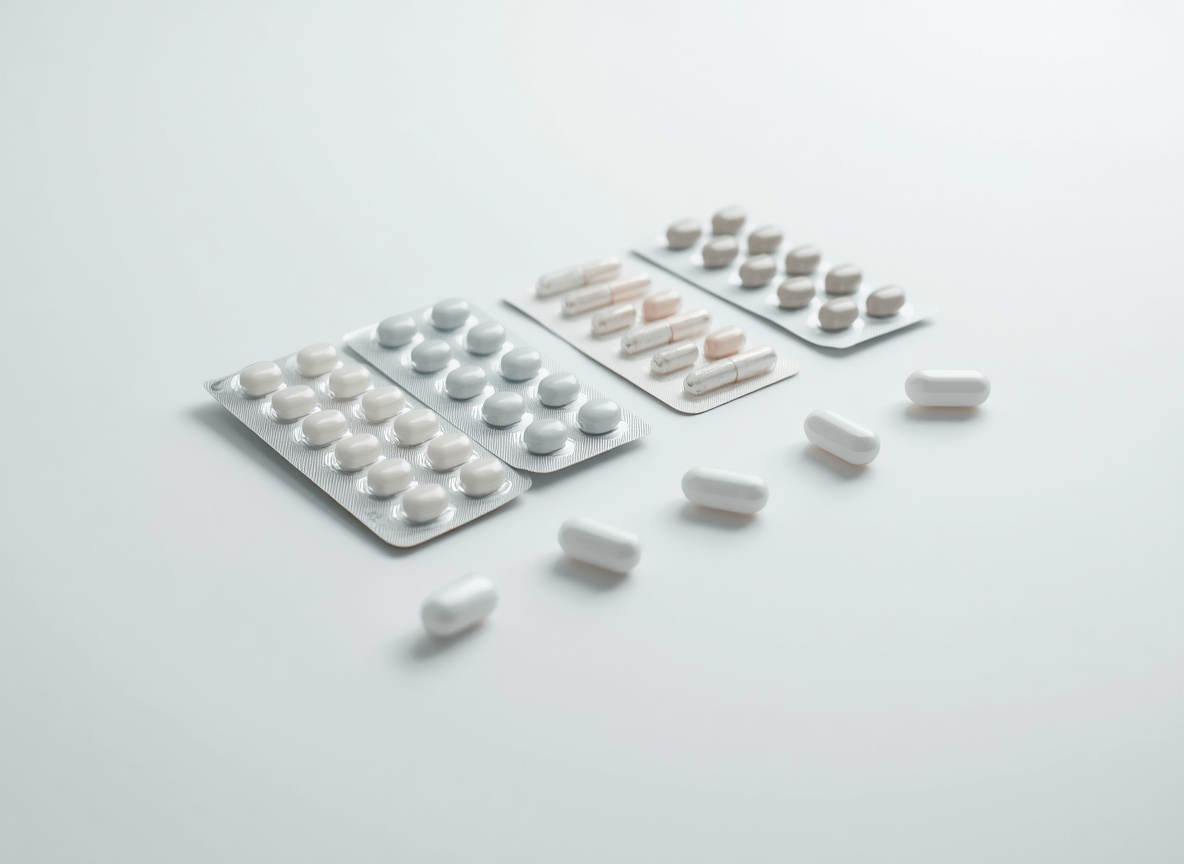
Neurontin contains gabapentin, an anticonvulsant FDA-approved for partial-onset seizures and postherpetic neuralgia. It requires a prescription and is not federally controlled, though several states classify it as Schedule V due to documented misuse with opioids.
- Dose: 300mg three times daily to start; titrate to 1800–3600mg per day maximum
- Status: Prescription required; not federally controlled (Schedule V in some states)
- Primary use: Partial seizures, postherpetic neuralgia, off-label neuropathic pain
- Half-life: 5 to 7 hours; cleared unchanged by the kidneys
What Is Neurontin
Neurontin is the brand name for gabapentin, an anticonvulsant first approved by the FDA in 1993. It is available as 100mg, 300mg and 400mg capsules and 600mg and 800mg tablets. An oral solution provides 250mg per 5mL for patients who cannot swallow solid forms.
Generic gabapentin is widely available. Other brand formulations include Gralise (extended-release for postherpetic neuralgia) and Horizant (extended-release for postherpetic neuralgia and restless legs syndrome). These are not interchangeable with Neurontin at the same milligram dose.
How Neurontin Works
Gabapentin binds the alpha-2-delta subunit of voltage-gated calcium channels on nerve cells. This reduces calcium influx and decreases the release of excitatory neurotransmitters including glutamate and substance P. The result is reduced neuronal excitability.
Key mechanisms:
- Calcium channel modulation: Binds alpha-2-delta subunits to limit excitatory signaling.
- Neurotransmitter reduction: Lowers glutamate and substance P release in the spinal cord and brain.
- Seizure suppression: Raises the seizure threshold by stabilizing hyperexcitable neuronal membranes.
- Pain pathway modulation: Dampens central sensitization in neuropathic pain syndromes.
Conditions Treated by Neurontin
The FDA approved gabapentin for two primary indications. Off-label use for neuropathic pain accounts for the majority of prescriptions today.
- Partial-onset seizures: Adjunctive therapy in adults and children age 3 and older with partial seizures with or without secondary generalization.
- Postherpetic neuralgia: Nerve pain following herpes zoster infection in adults.
- Restless legs syndrome: Approved specifically for Horizant brand, not for Neurontin.
- Common off-label uses: Diabetic neuropathy, fibromyalgia, anxiety disorders, hot flashes, alcohol withdrawal.
Only a prescriber can determine whether gabapentin is appropriate for a specific diagnosis, including off-label indications.
Neurontin Dosage and Strengths
Dosing is individualized and titrated gradually to minimize dizziness and somnolence. Renal function determines the final dose and interval because gabapentin is cleared unchanged by the kidneys.
Available Forms
- 100mg capsules: White, hard gelatin. Used for low starting doses and pediatric titration.
- 300mg capsules: Yellow, hard gelatin. Standard starting strength.
- 400mg capsules: Orange, hard gelatin. Intermediate maintenance strength.
- 600mg tablets: White, elliptical, film-coated. Higher maintenance dose.
- 800mg tablets: White, elliptical, film-coated. Maximum maintenance dose.
- Oral solution: 250mg per 5mL. Contains xylitol; do not use in dogs.
Standard Adult Dosing
For partial seizures, initiate at 300mg three times daily. Titrate as needed up to a maximum of 3600mg per day in three divided doses. Effective doses range from 900mg to 3600mg per day.
For postherpetic neuralgia, initiate at 300mg on Day 1, 600mg divided twice daily on Day 2, and 900mg divided three times daily on Day 3. Titrate up to 1800mg per day divided three times daily. Some patients benefit from doses up to 3600mg per day.
Always take Neurontin exactly as prescribed. Do not skip doses. Abrupt discontinuation can trigger withdrawal seizures.
Renal Dose Adjustment
Gabapentin is cleared renally without hepatic metabolism. Dose reduction is required when creatinine clearance falls below 60 mL per minute.
- CrCl 30–60 mL/min: Reduce daily dose by 50 percent and extend interval to twice daily.
- CrCl 15–30 mL/min: Reduce daily dose by 75 percent and extend interval to once daily.
- CrCl less than 15 mL/min: Reduce daily dose by 90 percent and extend interval to once daily.
- Hemodialysis: Give a supplemental dose after each 4-hour hemodialysis session.
Missed Dose Instructions
Take the missed dose when you remember unless the next dose is within 2 hours. Do not double the dose. Doubling increases dizziness and somnolence. If you miss multiple doses, contact your doctor. You may need to restart the titration schedule.
Side Effects
Common Side Effects
Clinical trials in adults report the following adverse reactions at rates significantly higher than placebo:
- Dizziness: 28 percent of patients
- Somnolence: 21 percent
- Peripheral edema: 8 percent
- Ataxia: 5.5 percent
- Fatigue: 5 percent
- Nystagmus: 4 percent
- Tremor: 3 percent
- Blurred vision: 3 percent
- Weight gain: 2 percent
- Viral infection: 2 percent
Most effects are dose-dependent and resolve during continued therapy or after dose reduction.
Serious Side Effects
Contact a doctor immediately or seek emergency care if you experience:
- Slow, shallow or difficult breathing. Risk increases significantly when combined with opioids, benzodiazepines or alcohol.
- New or worsening depression, anxiety or suicidal thoughts. Anticonvulsants carry a class-wide FDA warning for increased suicidal ideation.
- Signs of a severe allergic reaction: rash, swelling of the face or throat, difficulty breathing.
- Significant mood or behavior changes, aggression or confusion.
- Multi-organ hypersensitivity: fever, rash and swollen lymph nodes appearing together.
- Severe muscle pain, weakness or dark urine. Possible rhabdomyolysis.
Who Should Not Take Neurontin
Neurontin is contraindicated in patients with known hypersensitivity to gabapentin. Use requires caution and dose adjustment in patients with reduced renal function. Closer monitoring is necessary for patients with a history of respiratory conditions, substance use disorder or depression.
Warnings and Precautions
Respiratory Depression With Opioids and CNS Depressants
Combining gabapentin with opioids, benzodiazepines or other central nervous system depressants significantly raises the risk of severe sedation and slowed or stopped breathing. This combination can be fatal. The risk is highest in older adults and patients with chronic obstructive pulmonary disease or sleep apnea. Tell every prescriber about all sedating medications you take.
Suicidal Thoughts and Behavior
Anticonvulsant medications carry a class-wide FDA warning for increased risk of suicidal thoughts and behavior. This risk applies across all conditions treated, not only seizure disorders. Monitor for new or worsening mood changes, especially during the first month of therapy and after dose increases.
Withdrawal and Discontinuation
Abrupt cessation after regular use can cause withdrawal symptoms including anxiety, insomnia, nausea, sweating and seizures. Even patients without a seizure disorder may experience breakthrough seizures during withdrawal. Taper over at least 7 days. A slower taper over 2 to 4 weeks is recommended for patients on high doses or long-term therapy.
State-Level Controlled Substance Status
Gabapentin is not scheduled under the federal Controlled Substances Act. However, Kentucky, West Virginia, Tennessee, Alabama, Utah, Virginia, Michigan and North Dakota classify it as Schedule V at the state level. Additional states require prescription drug monitoring program reporting. State-level action followed documented misuse, particularly in combination with opioids to intensify sedation. Ask your pharmacist about your state’s specific rules.
Driving and Operating Machinery
Dizziness and somnolence affect 28 percent and 21 percent of patients respectively. Do not drive or operate heavy machinery until you know how Neurontin affects you. Impairment may persist into the following morning.
Drug Interactions
Gabapentin undergoes minimal hepatic metabolism. Its primary interactions involve absorption and additive central nervous system effects.
- Opioids: Significantly increase the risk of respiratory depression and sedation. Opioids may also raise gabapentin plasma levels.
- Benzodiazepines and other sedatives: Additive sedation and respiratory depression.
- Alcohol: Additive CNS depression. Increases fall risk and respiratory suppression.
- Antacids containing aluminum or magnesium: Reduce gabapentin absorption by up to 20 percent. Take Neurontin at least 2 hours after an antacid.
- Morphine: Co-administration increases gabapentin exposure. Monitor for excessive sedation.
- Hydrocodone: Reduces gabapentin exposure by approximately 18 percent. Clinical significance is uncertain.
Neurontin and Pregnancy
Gabapentin crosses the placenta. Human data on pregnancy safety are limited. Use during pregnancy requires individual risk-benefit assessment. Untreated seizures pose risks to both mother and fetus. Gabapentin passes into breast milk. Nursing mothers should discuss risks with their obstetrician.
Overdose Information
Overdose symptoms include double vision, slurred speech, drowsiness, lethargy and diarrhea. Very high doses may cause reduced consciousness and respiratory depression, especially when combined with opioids or alcohol. There is no specific antidote. Treatment is supportive. Contact poison control at 1-800-222-1222. Seek emergency care for severe symptoms.
Neurontin vs Gralise and Horizant
Neurontin, Gralise and Horizant all contain gabapentin but differ in release mechanism, dosing schedule and approved indications. Neurontin is immediate-release, dosed two to three times daily. Gralise is gastroretentive extended-release, dosed once daily with food, approved only for postherpetic neuralgia. Horizant is extended-release, dosed once daily, approved for postherpetic neuralgia and restless legs syndrome.
Switching between these formulations at the same milligram strength produces different blood levels. Do not substitute without prescriber instruction. Gralise and Horizant are not approved for seizures. Neurontin is not approved for restless legs syndrome.
Neurontin for Pets
Veterinarians commonly prescribe gabapentin for dogs and cats to manage chronic pain, nerve pain and situational anxiety. It is frequently used before veterinary visits to reduce stress in cats. Never give a pet human Neurontin oral solution without checking the ingredient list. Many human formulations contain xylitol, which is toxic to dogs and can cause fatal hypoglycemia and liver failure.
Storage and Handling
Store Neurontin capsules and tablets at room temperature between 20C and 25C. Keep the container tightly closed. Protect from moisture and light. Do not store in the bathroom. Keep oral solution refrigerated after opening. Discard after the labeled expiration date. Keep all forms out of reach of children and pets. Dispose of unused medication through pharmacy take-back programs.
Frequently Asked Questions
Is Neurontin a controlled substance?
Not federally. The DEA does not schedule gabapentin nationally. However, several states including Kentucky, West Virginia, Tennessee and Michigan classify it as Schedule V due to documented misuse, particularly with opioids. Rules vary by state. Check with your local pharmacy.
How does Neurontin work for nerve pain?
Neurontin binds the alpha-2-delta subunit of calcium channels on nerve cells. This reduces the release of excitatory neurotransmitters including glutamate and substance P. The result is reduced neuronal excitability and dampened pain signaling in neuropathic conditions.
Can you take Neurontin with opioids?
Only under direct medical supervision. The combination significantly raises the risk of severe sedation and slowed or stopped breathing. It can be fatal. Opioids may also increase gabapentin blood levels. Tell every prescriber about all medications you take.
What is the starting dose of Neurontin?
For seizures and nerve pain, the standard starting dose is 300mg three times daily. For postherpetic neuralgia, some protocols start at 300mg once daily on Day 1 and titrate upward. Your doctor adjusts the dose based on response and kidney function.
Does Neurontin cause weight gain?
Weight gain occurs in approximately 2 percent of patients in clinical trials. The mechanism is unclear. It may involve increased appetite or fluid retention. Monitor weight monthly during the first 3 months of therapy. Report rapid gains to your doctor.
Can you stop taking Neurontin suddenly?
No. Abrupt stopping after regular use can cause withdrawal symptoms including anxiety, insomnia, nausea and seizures. Taper over at least 7 days. Patients on high doses or long-term therapy may need a 2 to 4 week taper. Never stop without medical guidance.
Why is Neurontin regulated differently in some states?
State regulators acted after documented cases of gabapentin misuse, particularly in combination with opioids to intensify sedation. Kentucky, West Virginia, Tennessee, Alabama, Utah, Virginia, Michigan and North Dakota classify it as Schedule V. Other states require prescription monitoring program reporting.
Can Neurontin be taken with antacids?
Antacids containing aluminum or magnesium reduce gabapentin absorption by up to 20 percent. If you take both, space them at least 2 hours apart. Take the antacid first, then Neurontin 2 hours later.
Is Neurontin safe for dogs and cats?
Yes, under veterinary supervision. Veterinarians prescribe gabapentin for chronic pain, nerve pain and situational anxiety in dogs and cats. Never give human oral solution to pets. Many formulations contain xylitol, which is toxic to dogs. Always use veterinary-specific products.
What happens if you miss a dose of Neurontin?
Take the missed dose when you remember unless the next dose is within 2 hours. Never double the dose. Doubling increases dizziness and somnolence. If you miss multiple doses, contact your doctor. You may need to restart the titration schedule.
Questions about Neurontin?
MedVipp Rx does not sell medication. We publish facts for patients and caregivers. Send corrections or questions to our editorial team.
Email the Editorial TeamSources and References
- U.S. Food and Drug Administration – NEURONTIN (gabapentin) Capsules, Tablets, Oral Solution Prescribing Information
- DailyMed – Gabapentin Drug Label, National Library of Medicine
- PubMed – Gabapentin – StatPearls, NCBI Bookshelf
- CDC – Gabapentin Involvement in Drug Overdose Deaths, Morbidity and Mortality Weekly Report
- NIH – Gabapentin Oral Capsule, MedlinePlus
Editorial Standards
Our team reviews medical literature and FDA labeling to write each guide. We do not sell medication. It is not reviewed by a licensed pharmacist or physician.
Medical Disclaimer
This page is for education only. It does not replace advice from your doctor. Never start, stop, or change a dose of gabapentin without medical guidance. Do not combine with opioids or alcohol without explicit prescriber approval.
Emergency Notice
Call 911 for slow or difficult breathing, severe allergic reactions, or suicidal thoughts. Call Poison Control at 1-800-222-1222 for suspected overdose.